Talks, Workshops & Keynotes: Black History and Family History with Paul Crooks
Through Black history and family history, Paul Crooks helps audiences explore ancestry, identity, belonging and historical context. Drawing on more two decades of research, his talks reveal how historical records can uncover forgotten stories, challenge assumptions and create new ways of understanding the past.
Select a talk that reflects where your research has stalled.

Paul Crooks, author with a specialist interest in African Caribbean Ancestry
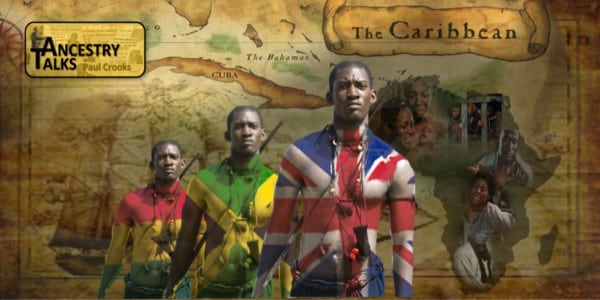
Exploring Black History Through Family History: Who Do You Think You Are?
Thursday 22 October 6 PM - 7 PM
Victoria Library
160 Buckingham Palace Road
London SW1W 9TR
Celebrate Black History Month 2026 by discovering how to trace your African ancestry.
Join Paul Crooks, a pioneering African Caribbean genealogist and Black history specialist, for a powerful and practical session on how to explore your African diasporan roots.
Discovering Family Stories Beyond the Records
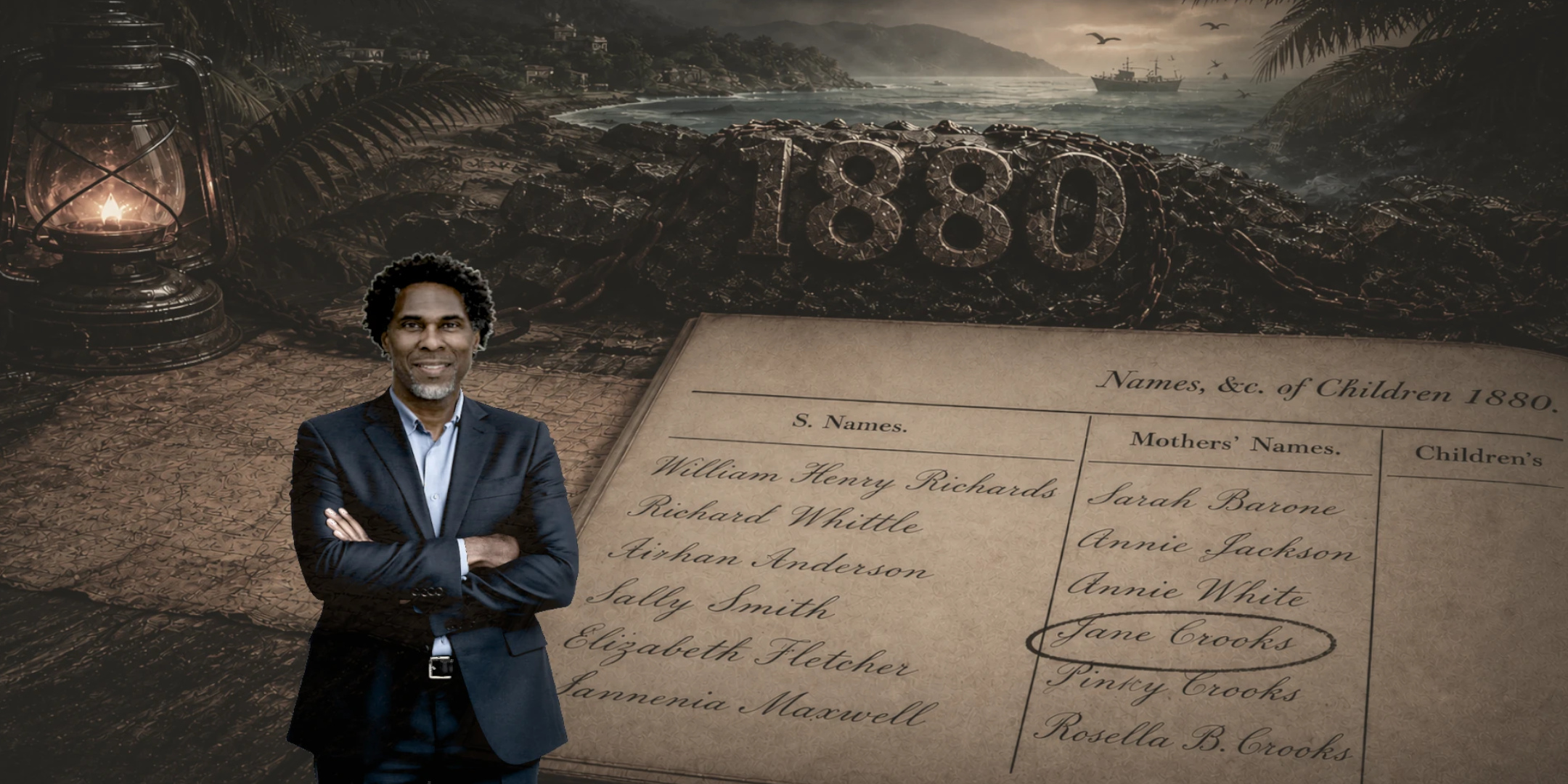
Black History: Tracing Caribbean Ancestry Back to the 1880s
Many Caribbean family histories can be traced back to the 1880s. Discover why this milestone reveals more than many realise.
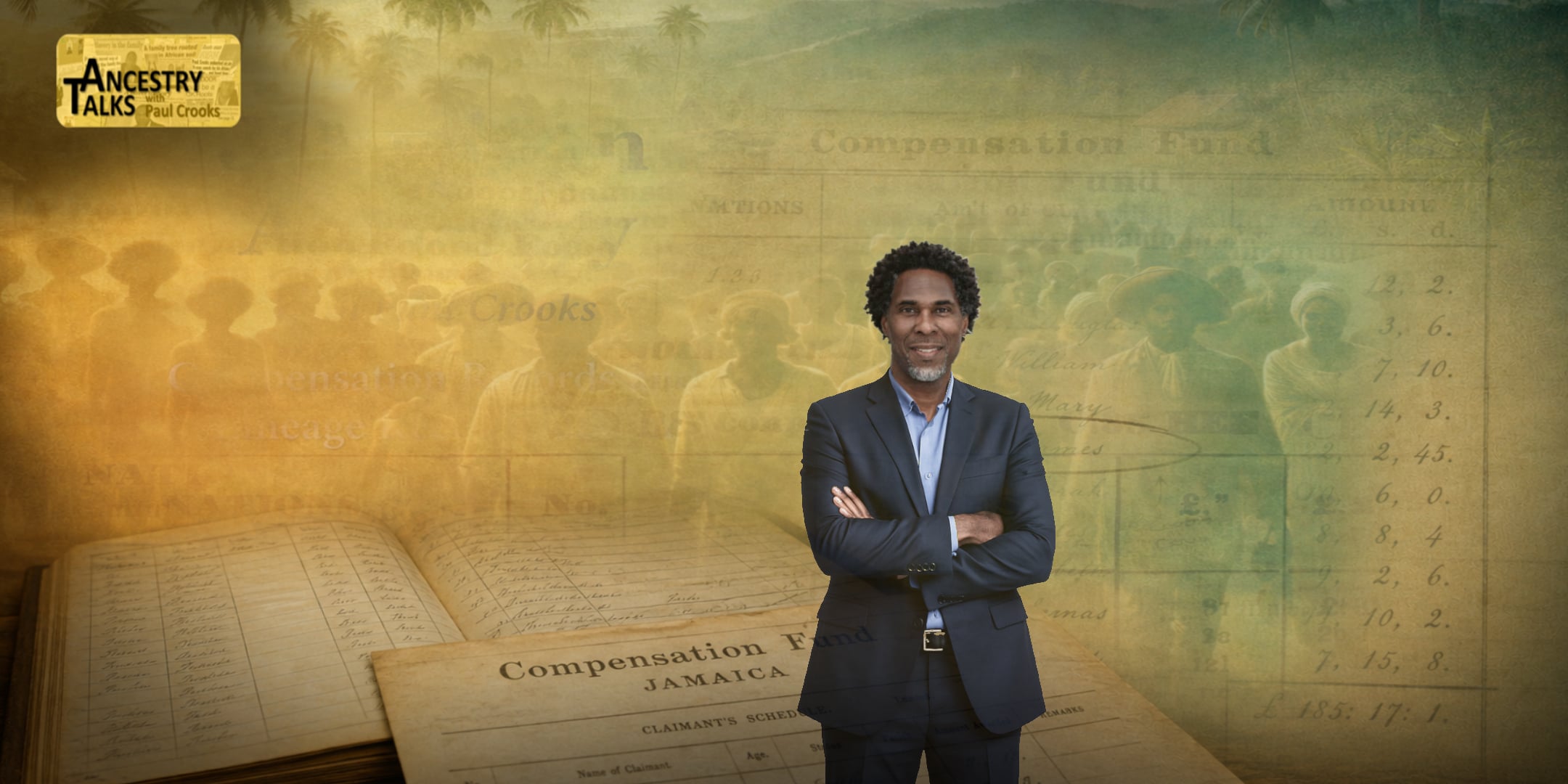
Black History: Tracing Ancestors Emerging from Slavery
Black history meets family history as one Caribbean lineage is identified and traced as slavery gave way to freedom in the Caribbean.
Black History: Caribbean Ancestry Records Tell You More Than You Think
Most family history clues are hiding in plain sight. Discover how records, maps and Black history reveal more than you think.
When names and identities shift
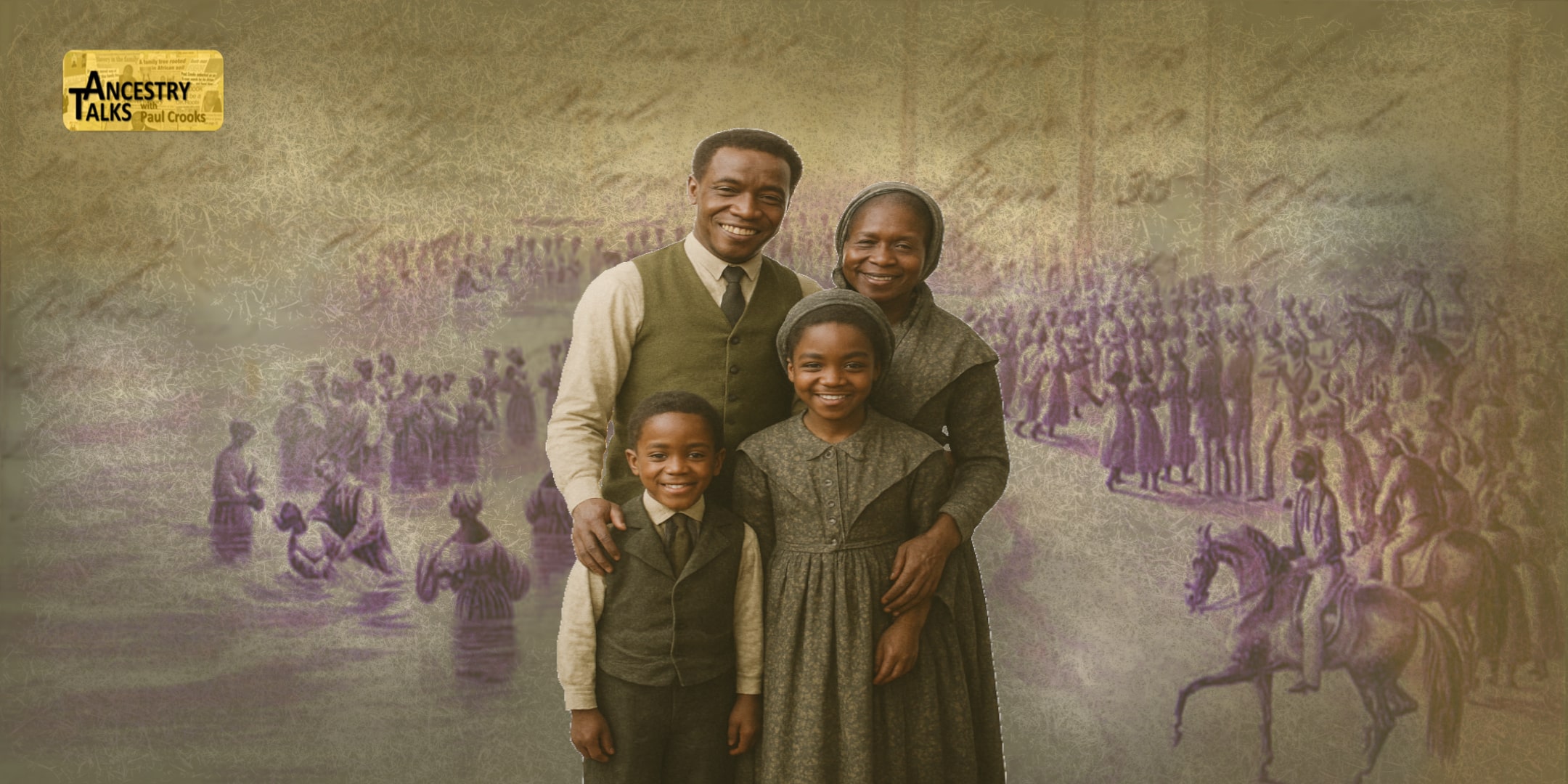
Black History and Ancestry: The Truth about Your Family Name
What if some of the most familiar explanations for Caribbean surnames are incomplete? Explore the Black history behind slave names.
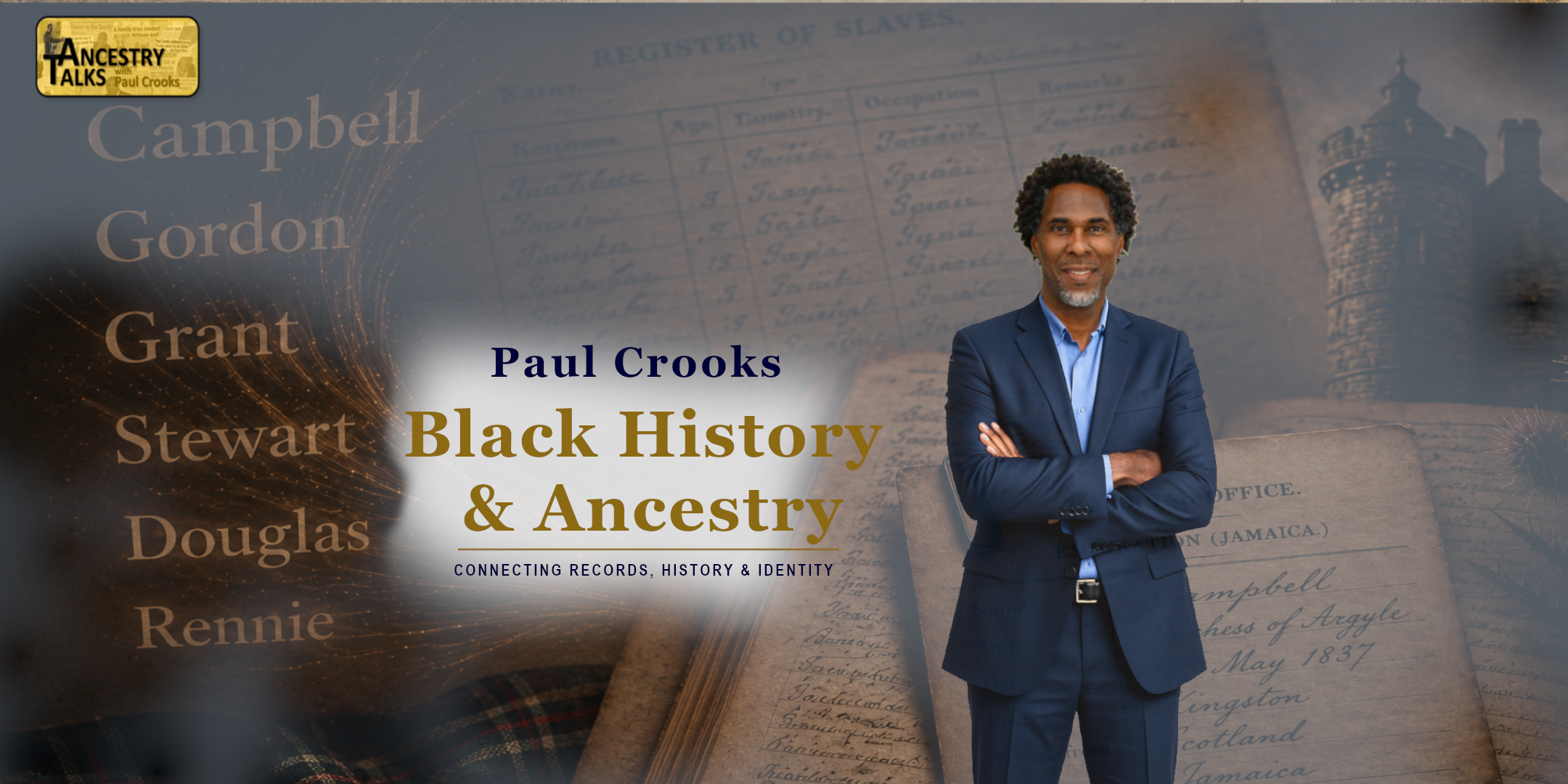
Caribbean Family History: African & Scottish Ancestry in the Caribbean
Why do Scottish surnames appear so frequently in Caribbean family histories, and what can they reveal about ancestry?
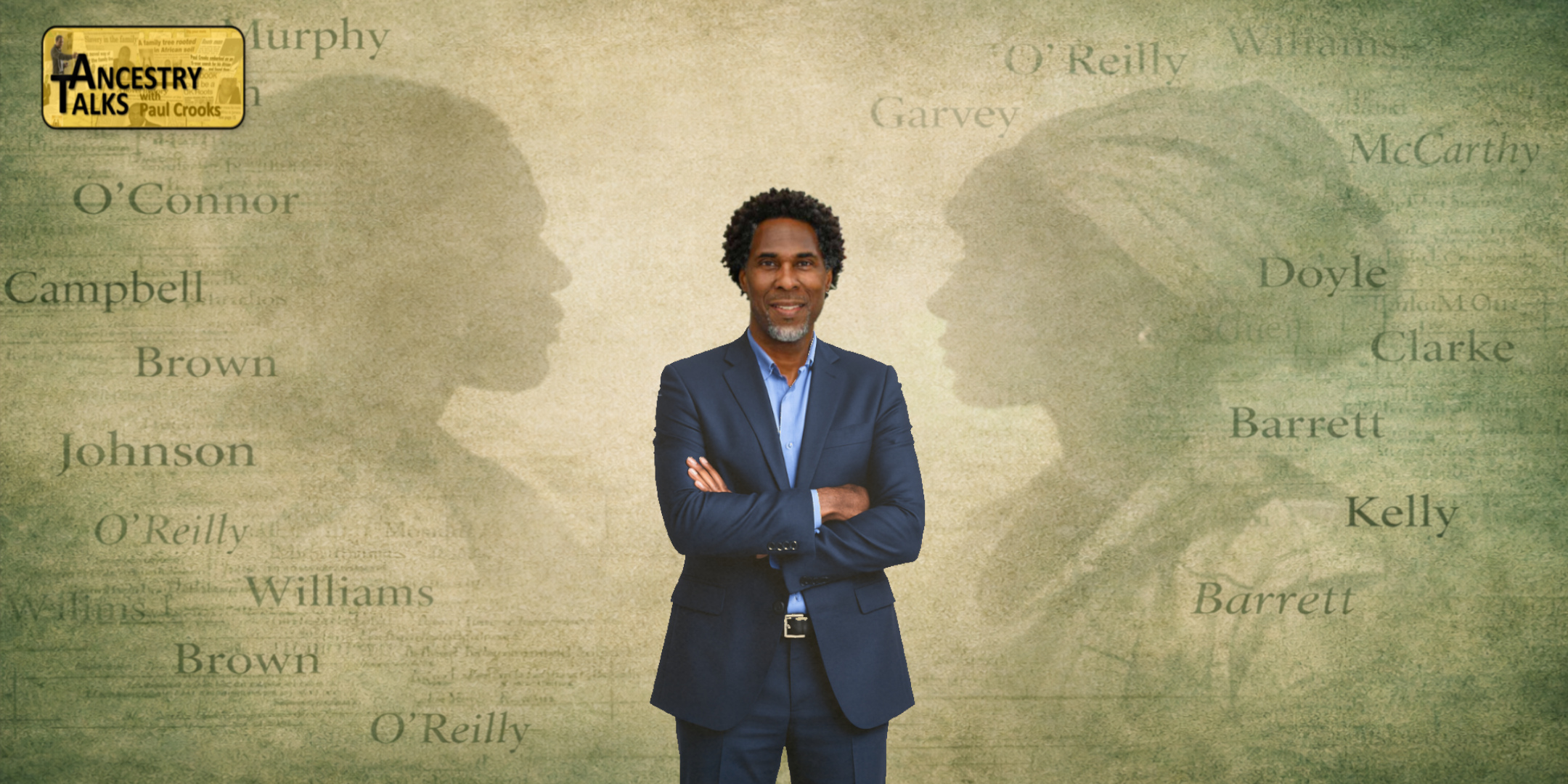
Black History & Ancestry: African and Irish of the Caribbean
Discover how African and Irish histories became intertwined in the Caribbean and shaped generations of identity.
When records appear but mislead
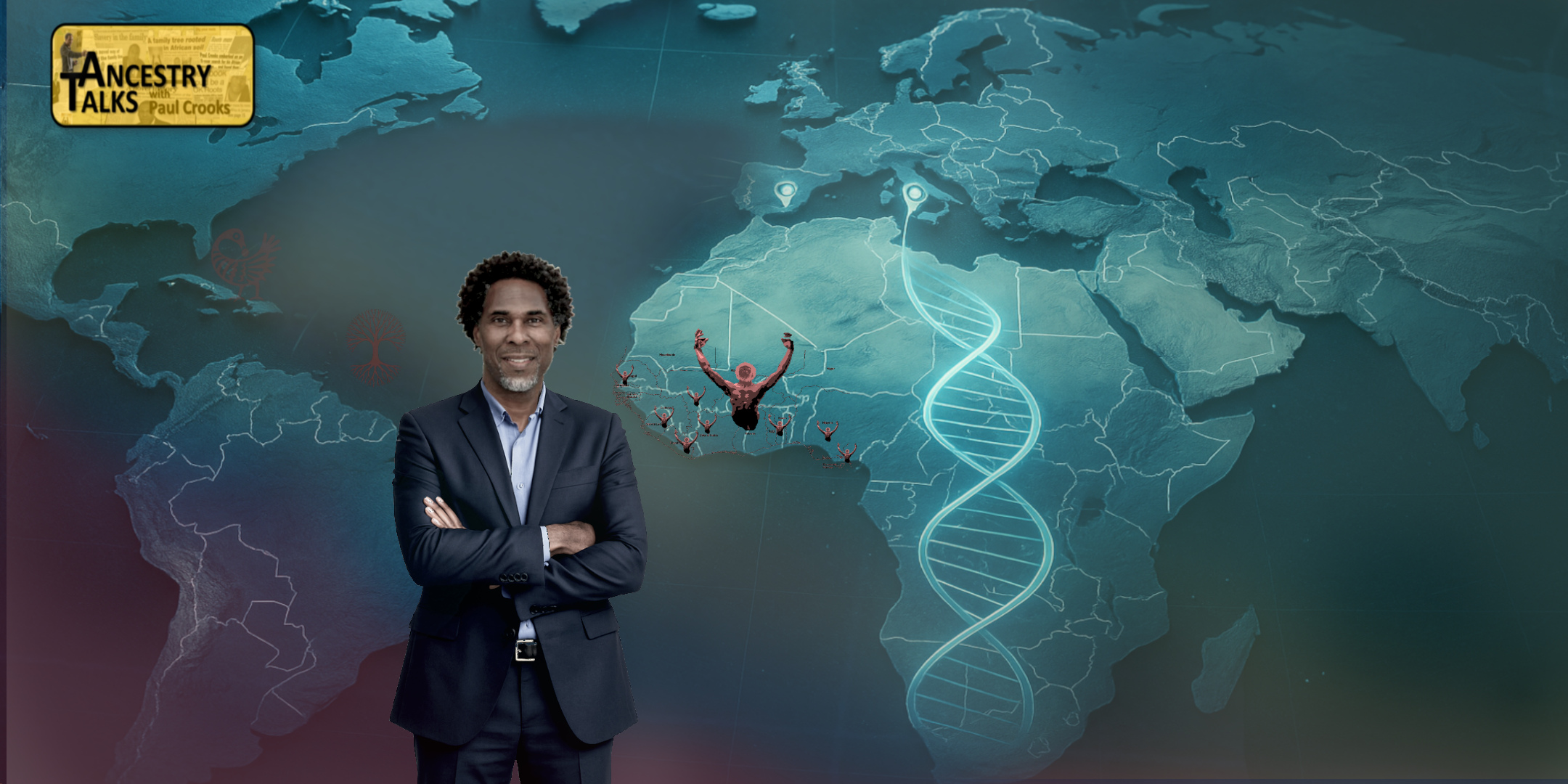
DNA Testing and Ancestry—What They Reveal and Miss
Explore what DNA testing can and cannot reveal about Caribbean ancestry—and why results often leave important questions unanswered.
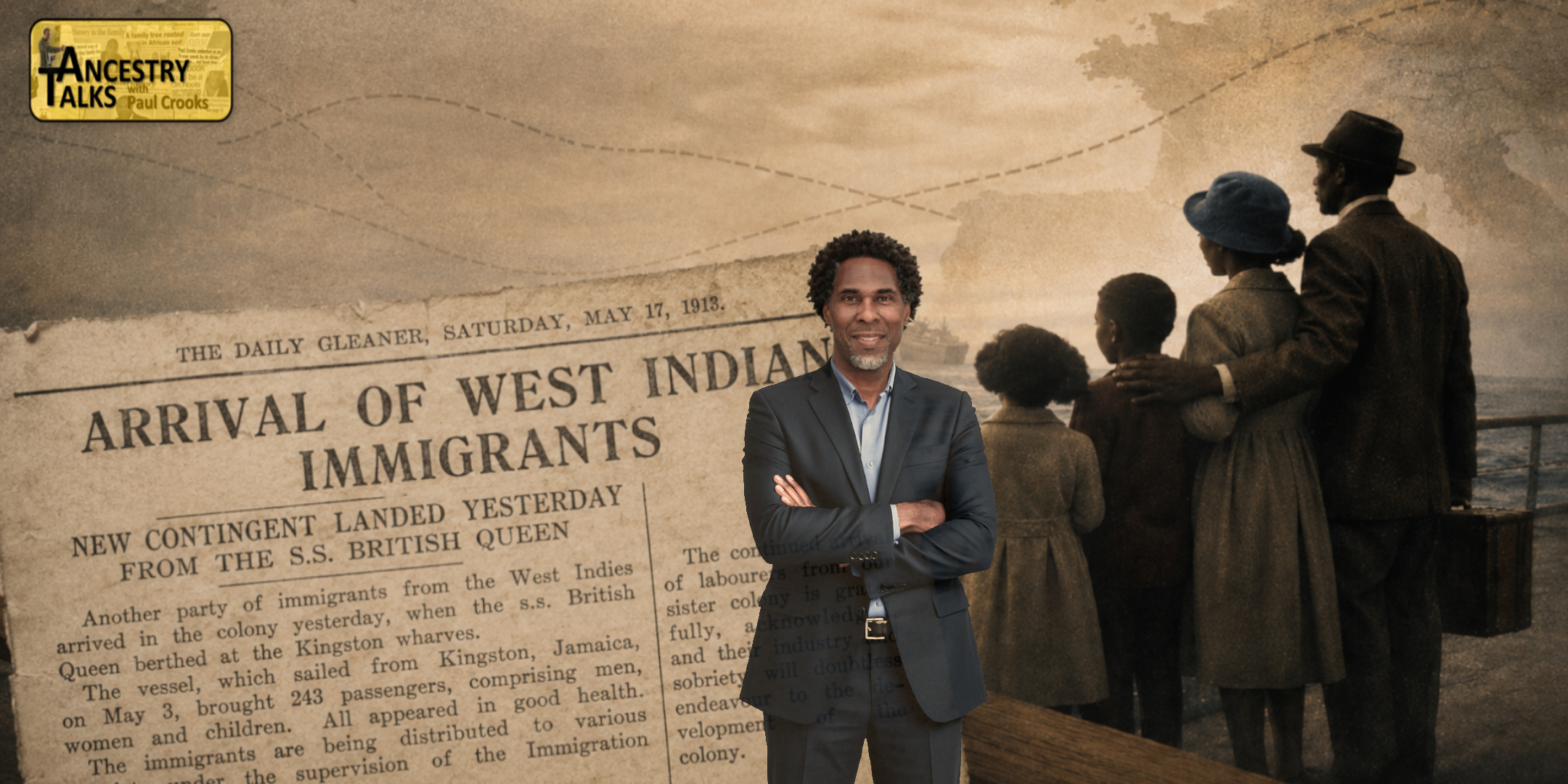
Windrush Ancestry: What Passenger Lists Really Show
Reveals what migration records can tell us about family journeys, relationships and historical context.
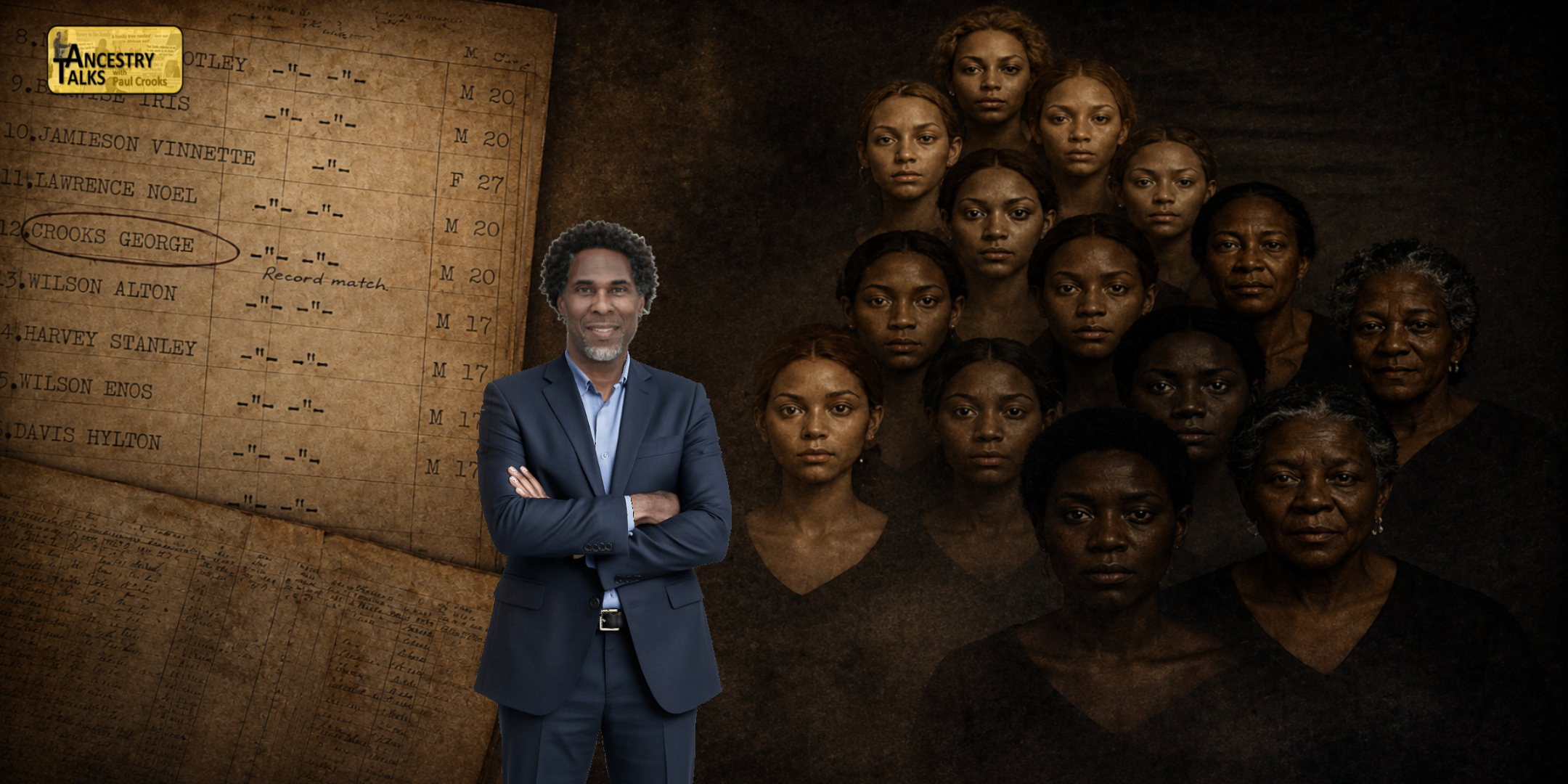
Caribbean Ancestry: Colorism — What Slave Records Reveal
The clues to colorism's origins may be hidden in slave records. A Black history masterclass in what they reveal about identity and ancestry.
Reconnecting African and Caribbean History
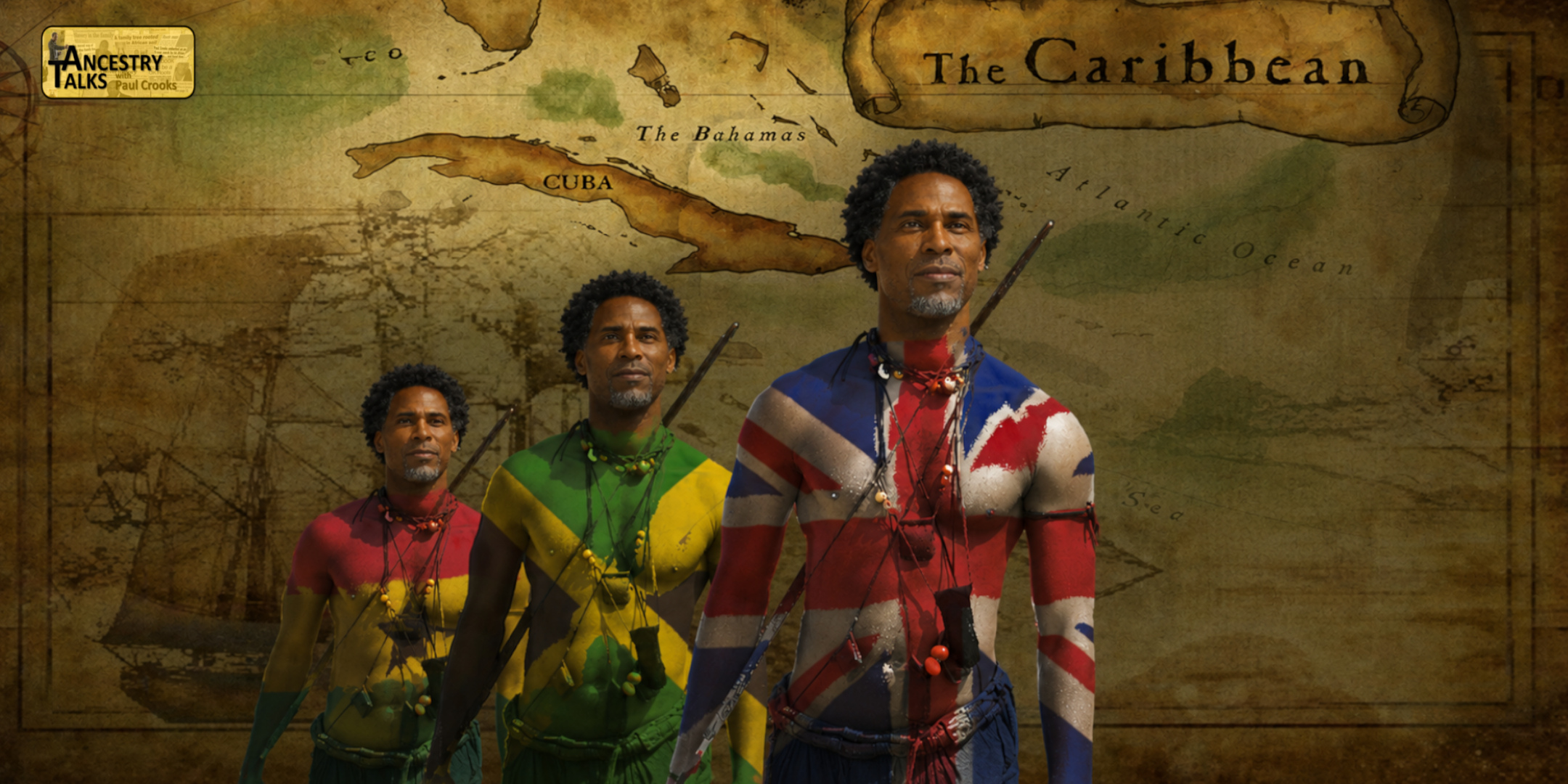
Tracing Caribbean Ancestry: Who Do You Think You Are?
Paul Crooks presents a masterclass examining a documented Caribbean ancestry journey from Britain to West Africa through Black history.
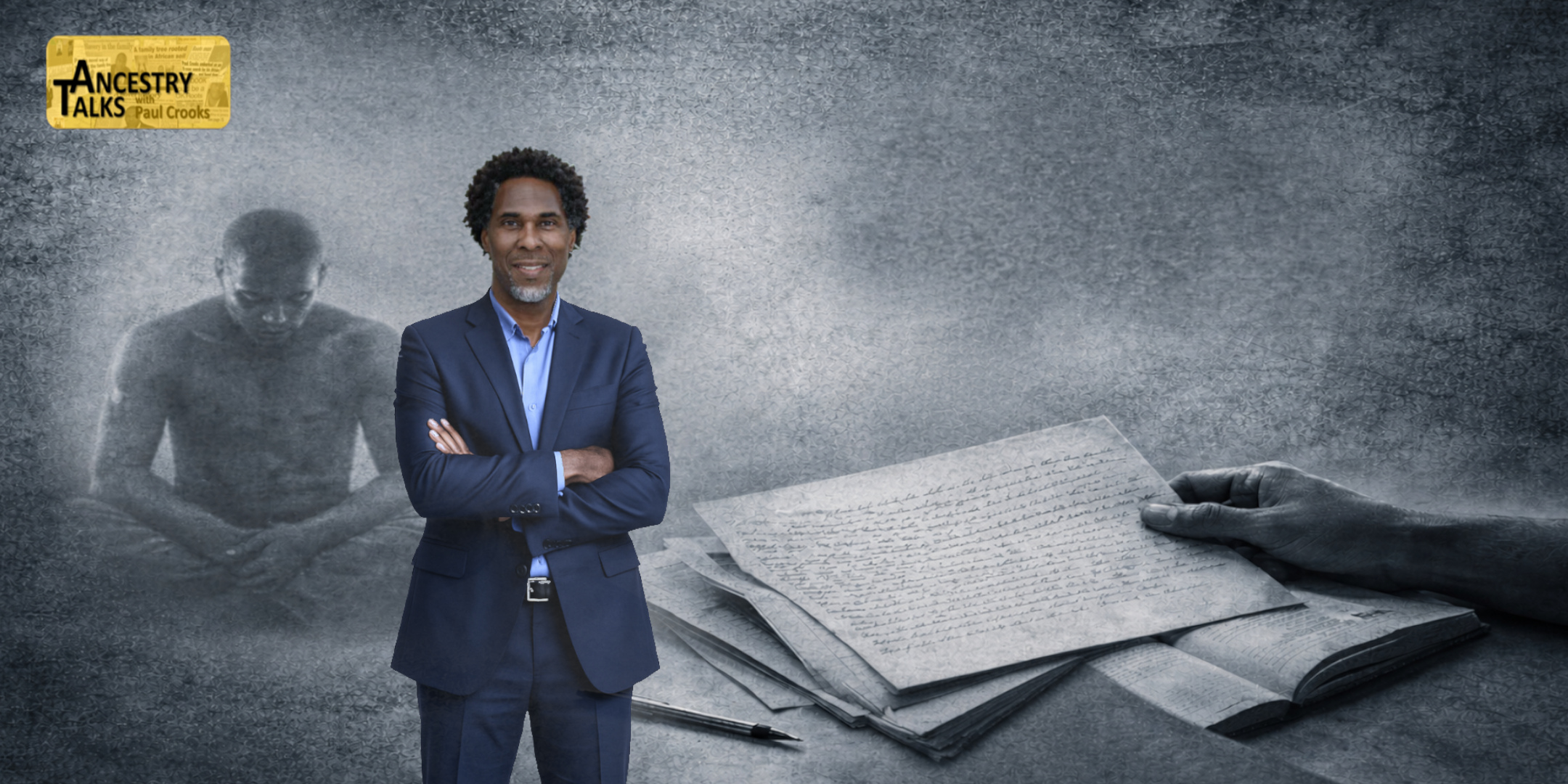
Black History & Caribbean Ancestry: Secrets of the Slave Registers
Black History and Caribbean ancestry through the Slave Registers. Discover what these records reveal about family history and identity
Black History and Caribbean Ancestry: Tracing Family History to the 1830s
Many Caribbean family histories reach the emancipation era. Discover why this period matters so much.
Black History and Caribbean Ancestry
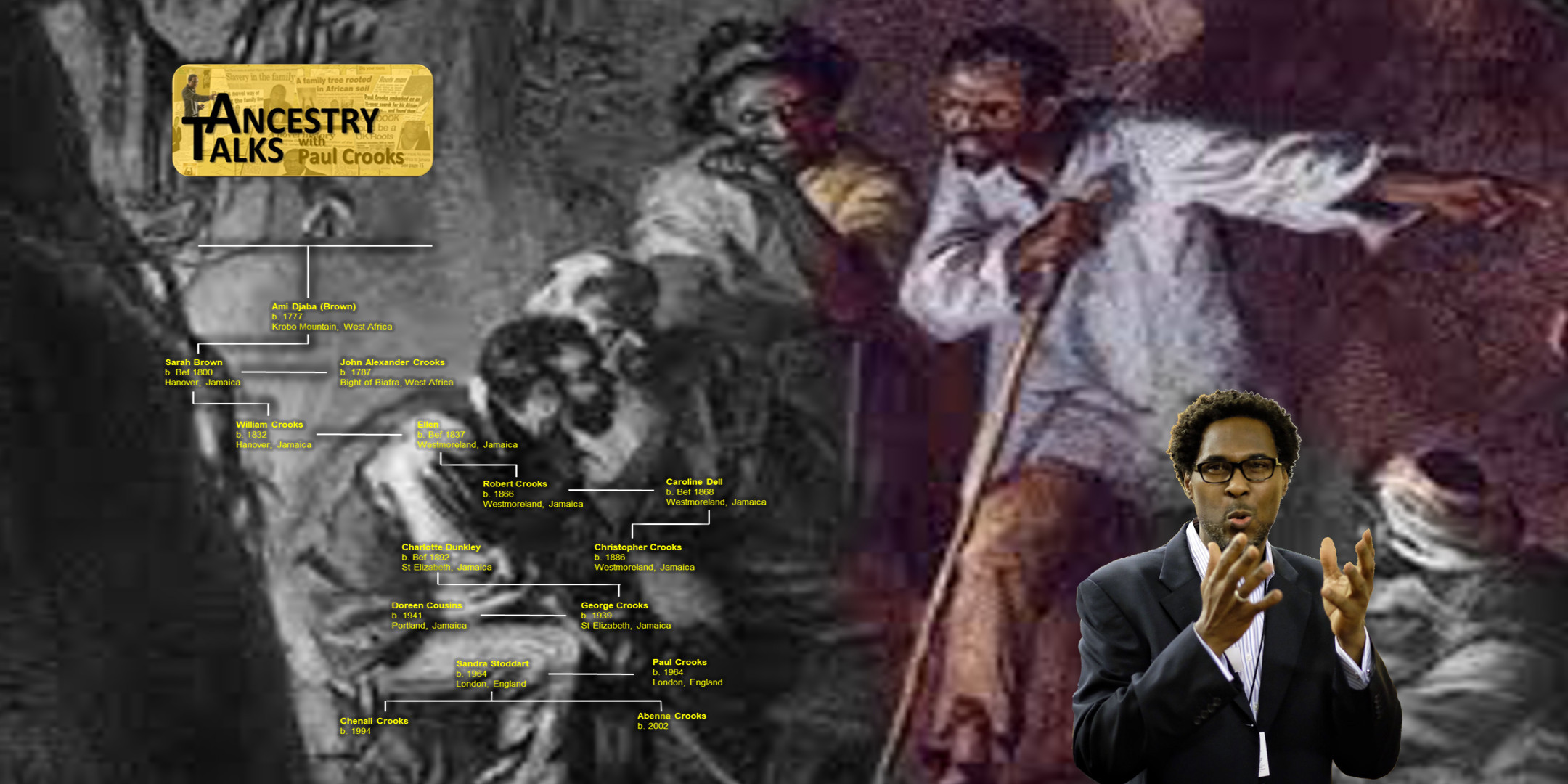
Black History and Ancestry: What the Maroons Reveal About Our Ancestors
Explore the Black history behind Jamaica's resistance movements and what they reveal about Caribbean ancestry.
Black History and Caribbean Ancestry: Jamaican Slaves Who Abolished Slavery
A Black History and Family history talk on how tracing one family line uncovered links to the events that helped bring slavery to an end.
Black History and Ancestry: Economic Forces Behind Emancipation
How the economic forces behind emancipation shaped Black history and what this reveals about the lives of our ancestors.
Book Paul Crooks for:
- Libraries
- Schools
- Museums
- Universities
- Councils
- Community Organisations
- Corporate Events
- Black History Month Programmes