
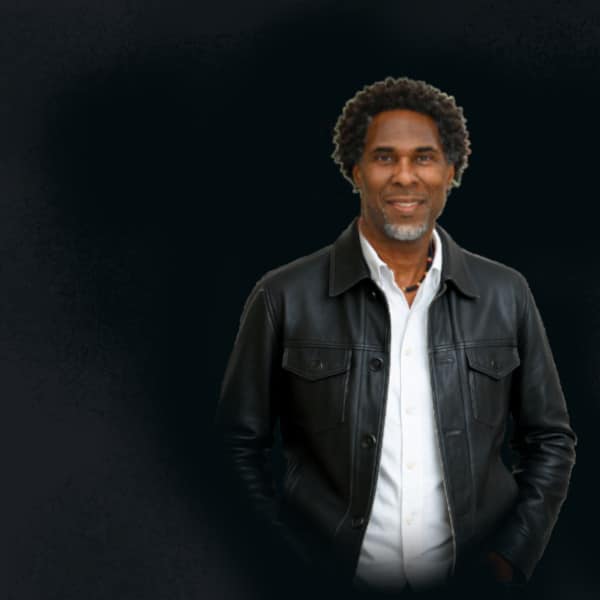
One-to-One Black Ancestry Consultations with Paul Crooks
Who this consultation is for
This consultation is intended for individuals researching Black ancestry who have reached a point where records are unclear, incomplete, or difficult to interpret, and who want informed guidance on appropriate next steps. This guidance is informed by long-term research and professional experience in Black genealogy and African-Caribbean history.
It is particularly relevant where family histories are shaped by enslavement, Caribbean and transatlantic migration, or record systems that did not consistently preserve names, relationships, or identity. Many people seek a consultation after gathering some information but finding it difficult to assess its reliability, significance, or limits.
This consultation is suited to those who understand that research in this field involves uncertainty, and who want help clarifying what can reasonably be established, what remains ambiguous, and how to proceed responsibly rather than seeking quick or guaranteed outcomes.
Before arranging a consultation, you may be asked to outline your research aims and current understanding so that the session can be approached in a focused and appropriate way.
How the Consultation Is Framed
This is not a procedural service or a standardised research exercise. It is an interpretive engagement, used where historical records are incomplete, inconsistent, or no longer align in straightforward ways.
The focus is on evaluating existing evidence, understanding why gaps or contradictions occur, and assessing what conclusions can and cannot be drawn with confidence. In many cases, progress depends less on locating new material and more on interpreting what already exists within its historical, administrative, and social context.
The value of the consultation lies in professional judgement applied under conditions of uncertainty — particularly where lineage, identity, or continuity cannot be assumed. This interpretive approach is reflected in published work and case-based analysis drawn from archival and genealogical research.
(See related publications: https://paulcrooks.info/black-genealogy-resource-books/
Boundaries and expectations
Genealogical research involving Black ancestry and African-Caribbean history frequently encounters gaps, inconsistencies, and records that were not created to preserve family relationships. As a result, not all questions can be resolved conclusively, and some lines of enquiry may remain open.
An ancestry consultation does not guarantee the identification of specific ancestors, documents, or outcomes. Instead, it provides informed guidance on the reliability of available evidence, the strength of different possibilities, and the limits of what can responsibly be claimed.
The consultation does not involve conducting extended research on your behalf or producing formal reports. Its purpose is to support understanding, clarify options, and help you decide how best to proceed, given the evidence and its constraints.
Practical details and next steps
Consultations are conducted online and focus on your specific research questions and existing material. To make best use of the session, it is helpful to have a brief summary of what you already know, along with references or copies of any relevant documents.
Before arranging a consultation, you may be asked to outline your aims and current position so that the session can be approached productively and with appropriate expectations.
If, having reviewed this information, you feel that a consultation may be helpful, details on availability and how to proceed are provided below.