About Paul Crooks
Author • Genealogist • Historical Researcher • Public Historian
30+ Years
600+ Events
7,500+ Attendees
3 Published Books
1 Heritage Lottery Project
Archival research
Delivered since 2020 (Eventbrite)
Online talks alone
History & genealogy
Research contributor
30+ Years
Archival research
600+ Events
Delivered since 2020 (Eventbrite)
7,500+ Attendees
Online talks alone
3 Published Books
History & genealogy
1 Heritage Lottery Project
Research contributor
Paul Crooks is a genealogist, historical researcher, author and public speaker specialising in African-Caribbean family history and the histories of enslavement, migration and identity.
Paul is the author of "A Tree Without Roots", one of the earliest published guides to tracing African-Caribbean ancestry, and Ancestors, a historical novel that grew from his thirteen-year reconstruction of his own family history from London through Jamaica towards West Africa. Ancestors follows his forebears through enslavement, resistance and the period leading to emancipation in Jamaica, combining documented family history with dramatic reconstruction.
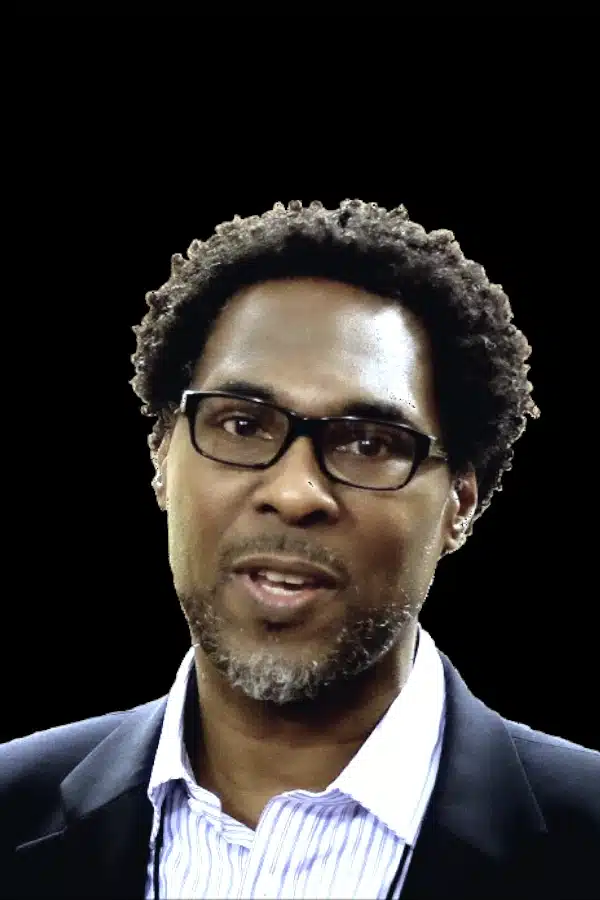
Paul Crooks, genealogist and author specialising in African-Caribbean ancestry
His work combines rigorous documentary research with public engagement, making complex historical evidence accessible to audiences ranging from family historians to museums, libraries, archives and community organisations.
Experience & Impact
Research
- More than 30 years of archival research into African-Caribbean family history.
- Author of three published books exploring genealogy, history and DNA.
- One of the earliest researchers to demonstrate a documented family line traced from Britain through the Caribbean to West Africa using historical records.
- Research spans British, Caribbean and West African archives, including parish registers, slave registers, shipping records, compensation records, wills and government archives.
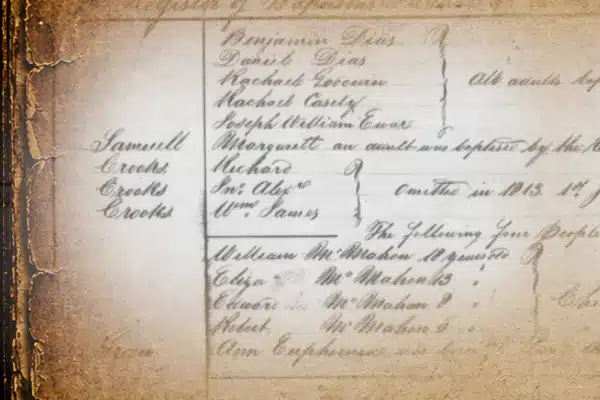
19th-century Jamaican record including J'n Alex' Crooks contributing to a reconstructed lineage traced back to West Africa
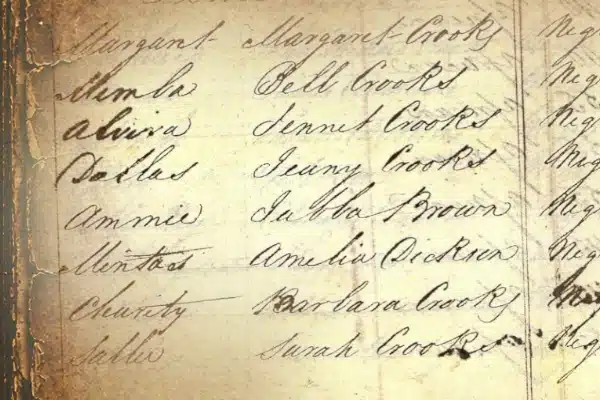
Early 19th-century Jamaican baptism record including Jeany Crooks, forming part of a reconstructed family lineage
Public Engagement
- Delivered 600+ genealogy and history events through Eventbrite since 2020.
- Welcomed more than 7,500 attendees to online talks and workshops through Eventbrite alone.
- Invited speaker for libraries, archives, museums, universities and heritage organisations throughout the UK.
Eventbrite figures represent online events delivered since 2020 and do not include earlier public lectures, invited talks or organisational engagements.
Heritage Projects
- Research contributor to a successful National Lottery Heritage Fund-supported project exploring Irish and
- African-Caribbean history.
Experienced in supporting community heritage projects through historical research, interpretation and public engagement. - Works collaboratively with organisations to develop historically robust and publicly accessible heritage resources.
His own research journey culminated in the publication of Ancestors, demonstrating how historical records can be used not only to reconstruct a lineage but also to create a lasting cultural legacy.
This approach reflects a broader belief that heritage is not simply about discovering records. It is about understanding what those records mean, how they connect us to wider histories, and how they can help people see themselves within those histories.
From Records to Understanding
Professional Delivery
- 30 years' experience in NHS management.
- PRINCE2-qualified project manager.
- Extensive experience delivering complex projects, managing stakeholders and working within organisational governance.
Many people begin family history research with a simple question:
"Who were my ancestors?"
For African-Caribbean families, the answer is often shaped by enslavement, migration and historical record-keeping that did not consistently preserve personal identity.
Paul's work examines not only what historical records reveal, but also what they conceal. By combining careful archival investigation with historical interpretation, he helps people understand both individual family histories and the wider historical experiences they reflect.
Rather than treating genealogy as simply collecting names and dates, his approach explores how documentary evidence can reveal resilience, identity, family relationships and community history across generations.
Research
Paul's research is grounded in over three decades of archival investigation into African-Caribbean genealogy and the social history of enslavement, emancipation and migration.
His work has involved analysing historical records from Britain, Jamaica and West Africa to reconstruct family histories once thought impossible to trace.
Alongside his published research, he has contributed historical expertise to community and heritage initiatives, helping organisations interpret complex archival evidence in ways that are historically rigorous, publicly accessible and relevant to contemporary audiences.
His approach combines careful documentary research with responsible public history, ensuring that historical interpretation remains firmly grounded in evidence while engaging diverse audiences.
Connecting Family History to Black History
Family history does not exist in isolation.
Individual stories are connected to wider histories of enslavement, resistance, emancipation, migration, community formation and social change.
Through research, publications and public engagement, Paul helps audiences understand how personal family histories provide valuable insights into some of the most significant chapters of British and Caribbean history.
Storytelling, Identity & Heritage
Paul works with museums, libraries, archives, universities, local authorities and community organisations to develop historically informed talks, heritage projects and public engagement programmes.
His approach is built upon:
- Rigorous archival research
- Historical accuracy
- Responsible interpretation
- Public accessibility
- Collaborative working
- Evidence-based storytelling
Whether delivering public talks, supporting heritage projects or contributing historical research, his focus is always on helping audiences connect individual lives with the wider histories that shaped them.
Public Engagement & Institutional Work
Paul works with museums, libraries, archives, universities, local authorities and community organisations to develop historically informed talks, heritage projects and public engagement programmes.
His approach is built upon:
- Rigorous archival research
- Historical accuracy
- Responsible interpretation
- Public accessibility
- Collaborative working
- Evidence-based storytelling
Whether delivering public talks, supporting heritage projects or contributing historical research, his focus is always on helping audiences connect individual lives with the wider histories that shaped them.
Enquiries
For information about talks, publications, consultations, or institutional bookings, please use the Contact page.